Wildlife management · Cultivar selection
The Truth About Late-Dropping Chestnuts: What Deer Hunters Aren’t Being Told
By Chestnuts in the Ozarks
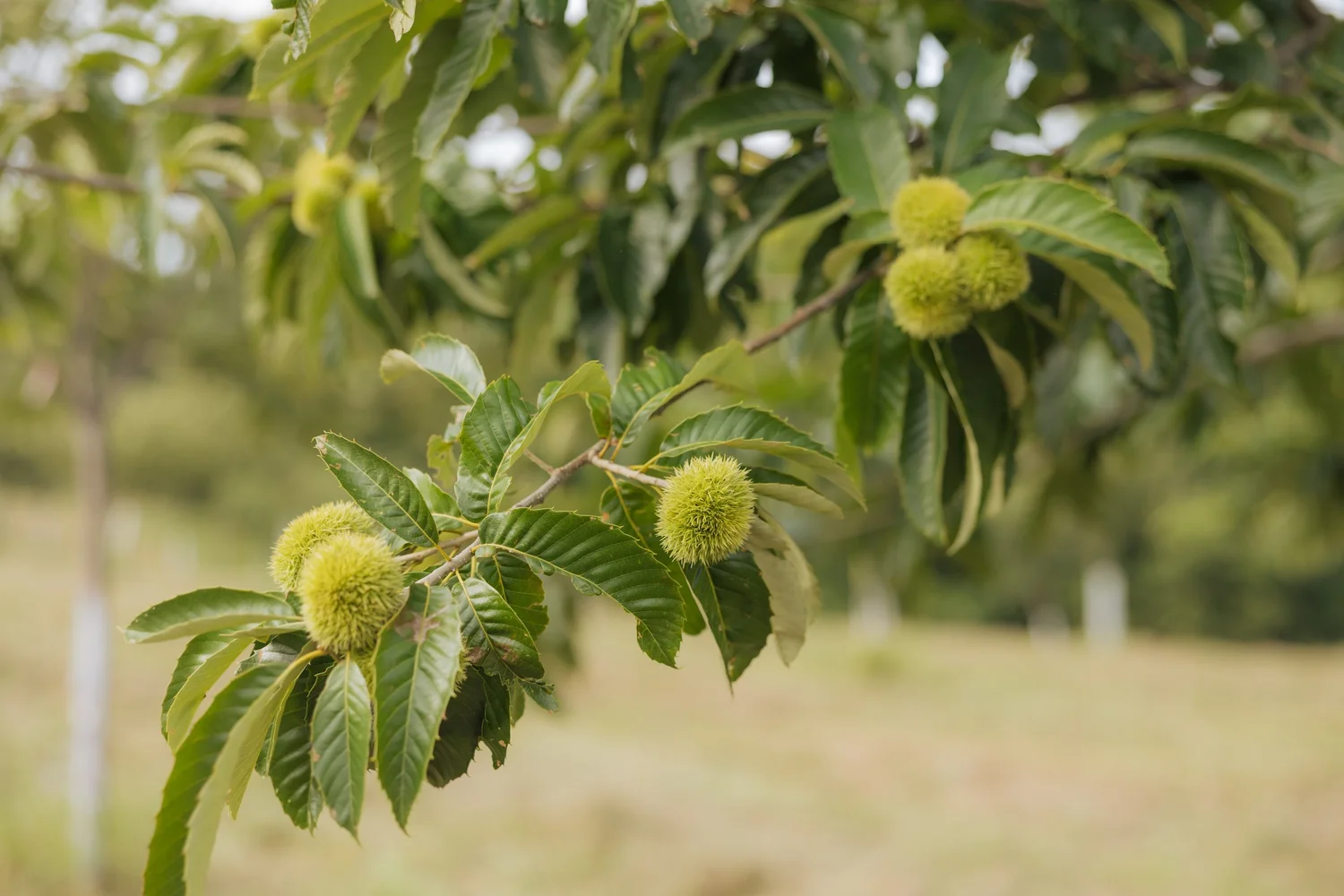
Before spending hundreds or even thousands of dollars on late-dropping chestnut trees, there are some important things every deer hunter should understand.
Chestnut trees have become increasingly popular among deer hunters, and it's easy to understand why. Chestnuts are a nutritious food source for wildlife, and the idea of having nuts available later into hunting season is certainly appealing.
As a result, nurseries and wildlife-oriented tree companies are increasingly promoting late-dropping chestnuts as an advantage for hunters. The sales pitch is straightforward: plant trees that drop their nuts later in the fall, and you'll have a food source available when deer season arrives.
But there is a side of this conversation that doesn't seem to get nearly enough attention.
Just because a chestnut tree drops its nuts late doesn't mean it can successfully produce mature nuts late in your climate.
In fact, planting varieties that mature too late for your growing season can result in disappointing crops, damaged trees, and years of investment that never deliver what you expected.
Before you spend your money, there are some things you should know.
What the Chestnut Industry Isn't Telling Deer Hunters
Let's be honest. There is a lot of money being made selling chestnut trees to the wildlife and hunting market. Late-dropping chestnuts have become a popular selling point, and companies know that hunters are looking for ways to keep deer coming to their properties later in the season.
But here's the problem: promoting a chestnut variety as late-dropping without explaining its limitations in different climates is doing customers a disservice.
A variety that performs exceptionally well in a warmer southern climate may struggle considerably in a northern climate. It may not have enough time to mature its nuts before freezing temperatures arrive. Even worse, some late-growing varieties may not properly harden off before winter, potentially exposing branches and other parts of the tree to cold injury.
These aren't minor details. They're important considerations that can determine whether a tree produces a dependable crop or becomes a disappointment.
If a company is going to advertise late-dropping chestnuts as an advantage for deer hunters, it should also explain where those trees have been successfully grown, when their nuts actually mature, and whether they are suitable for the customer's climate.
Unfortunately, the marketing often focuses on when the nuts drop rather than whether the tree can reliably produce a mature crop in the region where it is being planted.
Hunters are spending their hard-earned money based on these claims. They deserve more than a sales pitch. They deserve honest information about the trees they're purchasing.
Late-Dropping Does Not Always Mean Late-Producing
To understand the problem, we need to distinguish between the date chestnuts naturally drop from the tree and the date those nuts are fully mature.
Chestnuts need sufficient time during the growing season to develop and mature. Their timing is influenced by genetics, local climate, growing conditions, and the length of the growing season.
A variety that performs exceptionally well in a warmer climate may struggle in a region where fall temperatures drop much earlier.
Consider an illustrative location in USDA hardiness zone 6, where the first frost occurs during the second or third week of October and hard freezes arrive from late October into early November. Actual frost dates vary by location and year.
Suppose two chestnut trees have similar production potential under favorable conditions:
- Tree A typically matures and drops its crop by October 14.
- Tree B typically matures and drops its crop by November 7.
Which tree is more likely to produce a dependable crop in that climate?
If Tree B needs additional time to mature its nuts, freezing temperatures may arrive before the crop is ready. Some nuts may never fully mature, while others may be damaged by freezing weather.
Tree A has a better opportunity to finish developing its crop before those temperatures arrive.
Even if Tree B has impressive production potential in a warmer region, that potential does little good if the growing season ends before the nuts mature.
This is the part of the late-dropping conversation that deserves considerably more attention.
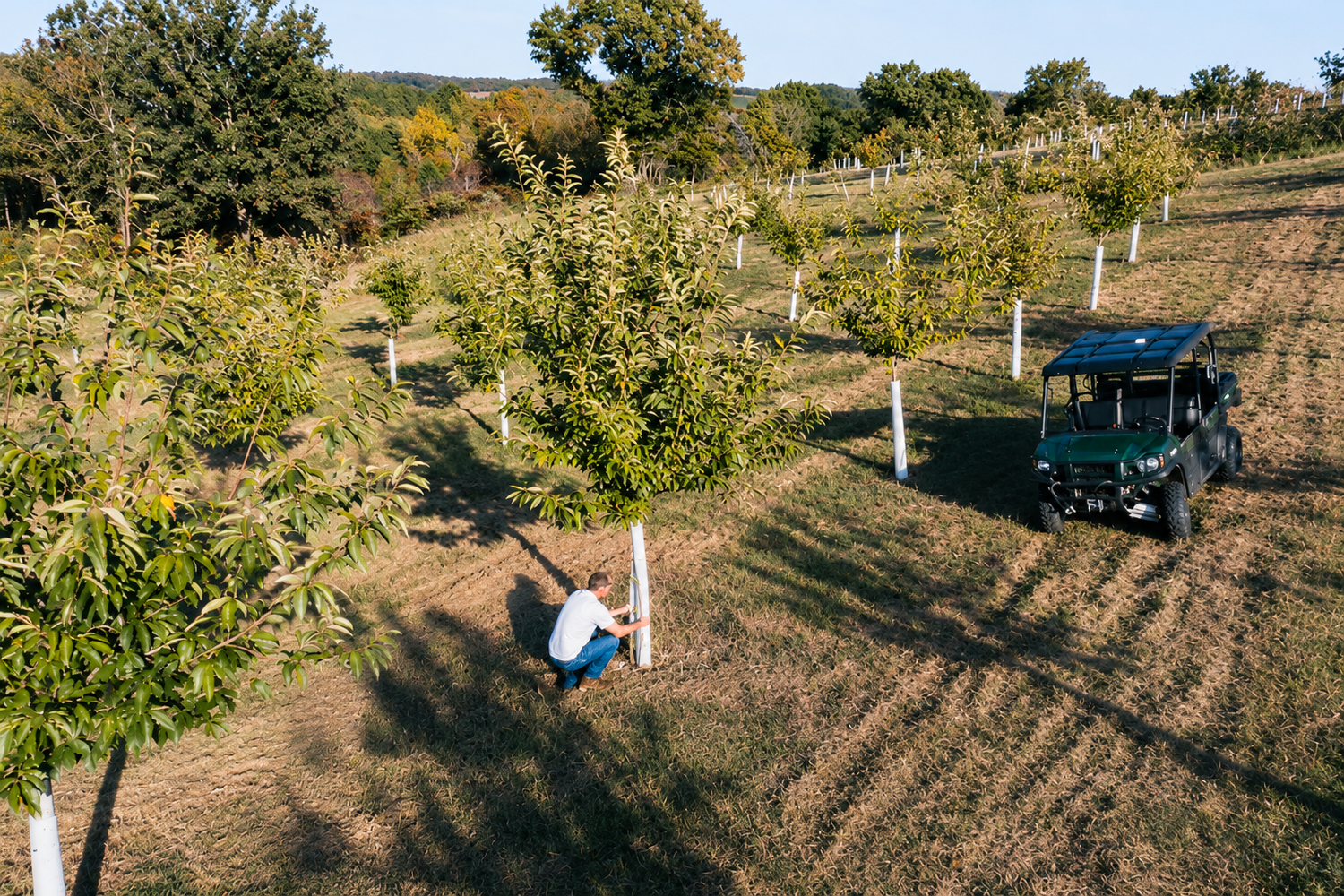
The Problem Goes Beyond Losing Nuts
There is another consideration that many buyers may not realize: the tree itself.
Chestnut trees must prepare for winter by gradually hardening off as the growing season ends. Trees that remain active later into the fall may be more vulnerable to early or severe freezes, depending on their genetics and local conditions.
Damage can extend beyond the nuts to branches and other parts of the tree. In some cases, repeated or severe cold injury can compromise a tree's long-term health.
Consider the implications for someone planting chestnuts specifically for deer. You could spend several years establishing trees, only to discover that the varieties you selected consistently struggle to finish their crop or suffer cold damage.
A tree that produces a late crop in a warm climate may simply not be well suited to a colder region.
The goal should not be to find the latest-dropping chestnut available. The goal should be to find a tree that reliably produces mature nuts and survives the climate where it is planted.
Some Well-Known Late-Dropping Varieties Illustrate the Problem
There are named Chinese chestnut cultivars known for dropping their crops later than many other Chinese chestnuts. Examples include AU Super, AU 1-11 (also known as Taozi), AU Buck III, and AU Buck IV.
These varieties can be productive under suitable conditions, particularly in warmer growing regions. However, their performance in colder climates can be very different.
Growers in zone 6 have reported challenges with these varieties, including nuts that fail to mature before freezing temperatures arrive.
AU Buck III, for example, may mature a portion of its crop in some years, but not necessarily the entire crop before a hard freeze. AU Buck IV has also demonstrated how late-season growth can create additional vulnerability. Fall frost damage can affect not only the nuts but also the branches and overall health of the tree.
These experiences illustrate an important point:
A chestnut variety can be an outstanding producer in one climate and a poor investment in another.
If a variety is known to produce heavily and drop late in warmer regions, that doesn't automatically make it a good choice for hunters in northern states.
The same caution applies to any chestnut sold primarily on the promise of an unusually late drop date.
Questions You Should Ask Before Buying Late-Dropping Chestnuts
Before spending your money, ask the nursery or tree supplier some questions:
- What is the actual variety or cultivar? Don't settle for a generic description such as hybrid chestnut or late-dropping chestnut.
- Where has this variety been successfully grown? Ask for actual growing experience in climates similar to yours.
- When do the nuts actually mature? There is a difference between the date nuts drop and the date they are fully developed.
- Does the tree consistently mature its crop before the first hard freezes? A variety that occasionally produces a late crop isn't necessarily a dependable producer.
- How does the tree handle fall freezes? Ask about fall hardening and reports of cold injury.
- Can the nursery provide information about the genetics? Knowing what you're planting is important. A documented cultivar gives you a much better starting point than an unidentified hybrid.
If a company cannot answer these questions, you should think carefully before making a significant investment.
What Should Deer Hunters Plant Instead?
If your objective is to provide a dependable food source for deer, start by looking at chestnut varieties that have demonstrated reliable production in your region.
Consider these priorities:
1. Reliable nut maturity. Choose varieties that have enough time to develop a mature crop before damaging fall freezes typically arrive.
2. Proven regional performance. Look for actual growing experience in your climate zone or, even better, in your local area. Remember that USDA hardiness zones primarily describe winter minimum temperatures. They don't tell the whole story about growing-season length or fall frost timing.
3. Consistent productivity. A tree that produces a dependable crop year after year may be more valuable than one with a reputation for exceptionally late drops but inconsistent results in your region.
4. Long-term tree health. Consider fall hardening, winter survival, and the likelihood that the tree will remain productive for years to come.
5. Verified genetics. Whenever possible, purchase trees with documented genetics rather than relying solely on a marketing description.
If you want chestnuts available later in the fall, investigate varieties that can accomplish that without routinely pushing nut maturity beyond the limits of your growing season.
The Bottom Line: Don't Buy the Sales Pitch
Late-dropping chestnuts may offer advantages in some locations. But a later drop date is not automatically an advantage everywhere.
In colder climates, the difference between a crop that matures in mid-October and one that matures in early November can determine whether a tree produces a usable crop at all.
Hunters need to understand that they aren't simply buying a drop date. They're investing in a living tree that needs to survive, mature its crop, and produce for many years.
The chestnut industry has a responsibility to provide honest information about the varieties it sells. Promoting a tree's late drop date while overlooking its limitations in colder climates doesn't give customers the information they need to make an informed decision.
We believe chestnut growers and nurseries should be educating customers, not just selling trees.
At Chestnuts in the Ozarks, we believe genetics matter, climate matters, and understanding what you're planting matters.
Don't buy a chestnut tree simply because someone promises it will drop nuts later than the others. Find out whether it can actually produce those nuts where you live.
Because at the end of the day, a tree that doesn't mature its nuts or survive your winters isn't much of a food plot investment.
Learn more about why chestnut genetics matter and why knowing exactly what you're planting can make all the difference.
Grow with confidence.
Explore our chestnut trees and start with genetics that fit your goals.
Shop Chestnut Trees →